A Turning Point in Bird Feeding
Our Response to New RSPB Seasonal Feeding Guidance
How Finches Friend Began
Finches Friend was never meant to be a business. It started with loss.
We lost our own Greenfinches to Trichomonosis — a disease we unknowingly helped spread through conventional tube feeders. We had three feeders and fed dozens of birds. Realising our role in their deaths was devastating.
As engineers, we did what we knew how to do - we learned, analysed, and began designing a better solution.
Standing Alone — and Then Campaigning
Very quickly, we realised something else, we were largely alone.
Aside from voices like Martin Hughes-Games, there was little public acknowledgement of the issue. As we dug deeper, we began to understand the commercial ecosystem behind bird feeding — and how difficult change would be.
It became clear that without action from RSPB, meaningful change would not happen.
So we became campaigners.
A Major Step Forward
Today, we can say with confidence — progress has been made.
After more than two years of scientific work, RSPB has published new guidance that challenges long-standing practices in bird feeding.
We were invited to contribute to this process, and we are genuinely grateful for the engagement.
This moment allows us to move forward constructively — and we congratulate them on taking action.
What the New Guidance Says
In simple terms, the findings highlight where disease spreads:
1. Flat surface feeding is unsafe
Any feeder that allows birds to stand in food — and contaminate it — poses a risk.
2. Bird baths spread disease
They should be cleaned and refilled daily, using chlorinated water if used at all.
3. Seasonal feeding changes
Seed feeding should be paused from May to September, with only suet and protein sources recommended.
4. Rewilding is encouraged
Natural food sources should be prioritised wherever possible.
A Necessary Reset — But Not the Final Answer
Given their position, RSPB had to act broadly and impartially.
We understand this — and support it.
But the approach is, inevitably, a broad intervention. A “sledgehammer” approach to a complex problem.
And that complexity matters.
The Challenges Ahead
1. Reduced feeding ≠ reduced risk
If feeding drops by 50%, remaining feeders may see higher traffic — increasing transmission risk.
2. Weather volatility
Bird populations supported through winter may face unpredictable and harsh summer conditions.
3. Human wellbeing
For many — particularly older or isolated individuals — bird feeding is deeply meaningful.
4. Urban vs rural reality
Different environments have very different natural food availability.
5. Behavioural change
Large-scale behaviour change is extremely difficult to achieve consistently.
6. Rewilding limitations
While important, rewilding alone is unlikely to replace supplementary feeding at meaningful scale.
7. Vulnerable species
Species like Marsh Tit and Willow Tit require targeted, localised conservation approaches.
A Critical Scientific Insight
One of the most important findings:
The parasite was found in food and water — not on feeder surfaces.
This challenges a long-standing message from the industry.
Cleaning feeders is important — but if food becomes contaminated, the problem remains.
Our Position: Responsible Feeding
We believe the future is not about stopping feeding — but doing it properly.
Responsible feeding principles:
No flat surface feeding
Avoid bird baths — use controlled water systems, cleaned daily
Provide dry, protected food
Prevent access to bulk food stores
Make cleaning quick and easy
Intercept dropped food
Use rotational ground feeding (fresh, moved regularly)
Introduce “off days” to break feeding cycles
A Balanced View
We want to be clear:
If feeding cannot be done responsibly, it should not be done.
If individuals choose to stop feeding in summer, we fully respect that decision.
But we also believe there is a better long-term path — one that combines:
safe feeder design
informed behaviour
and continued innovation
Looking Ahead
RSPB has made it clear this is not the end of the journey.
They expect the market to innovate.
After 21 years of this disease, we believe that innovation has already begun — and must now accelerate.
A Final Note
We also sought to bring this discussion into the public sphere, including offering to contribute to BBC Springwatch — even anonymously.
We received no response.
The conversation is still not where it needs to be.
Conclusion
This is a pivotal moment.
The science is catching up.
The guidance is changing.
The opportunity for real progress is here.
And we remain committed to one goal:
Helping people feed birds safely — without causing harm.
Find Out More About Finches Friend
Please explore our website to see images and videos of the birds using our feeders, and to find out more about the story behind Finches Friend.
We’ve built up a dedicated community over the years, and we’d be delighted if you join the revolution and help to put birds first.
Thanks for your time,
Dick & Andrew
Finches Friend

Sick Greenfinch
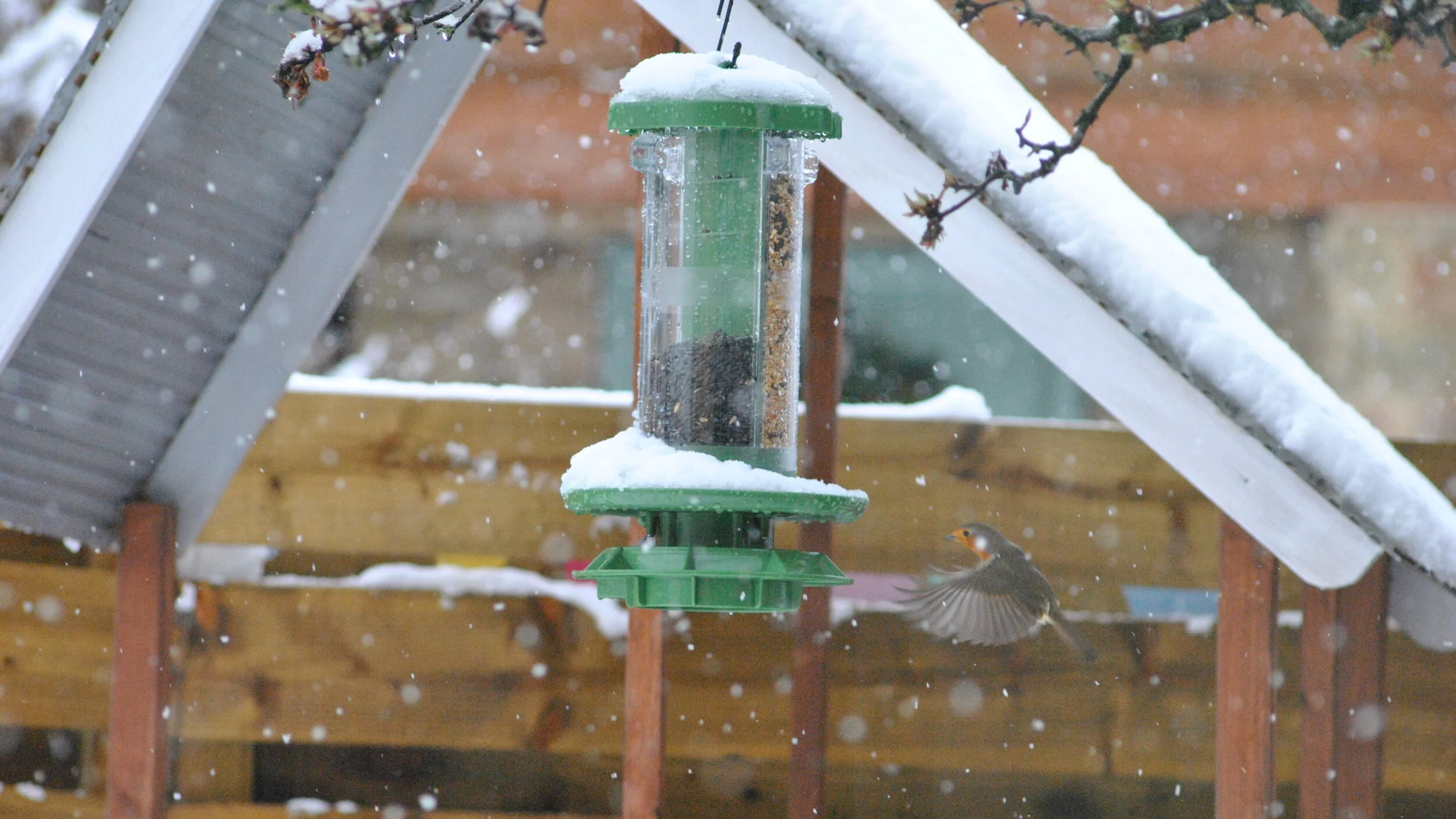
The first version of our Cleaner Feeder range, the CF2
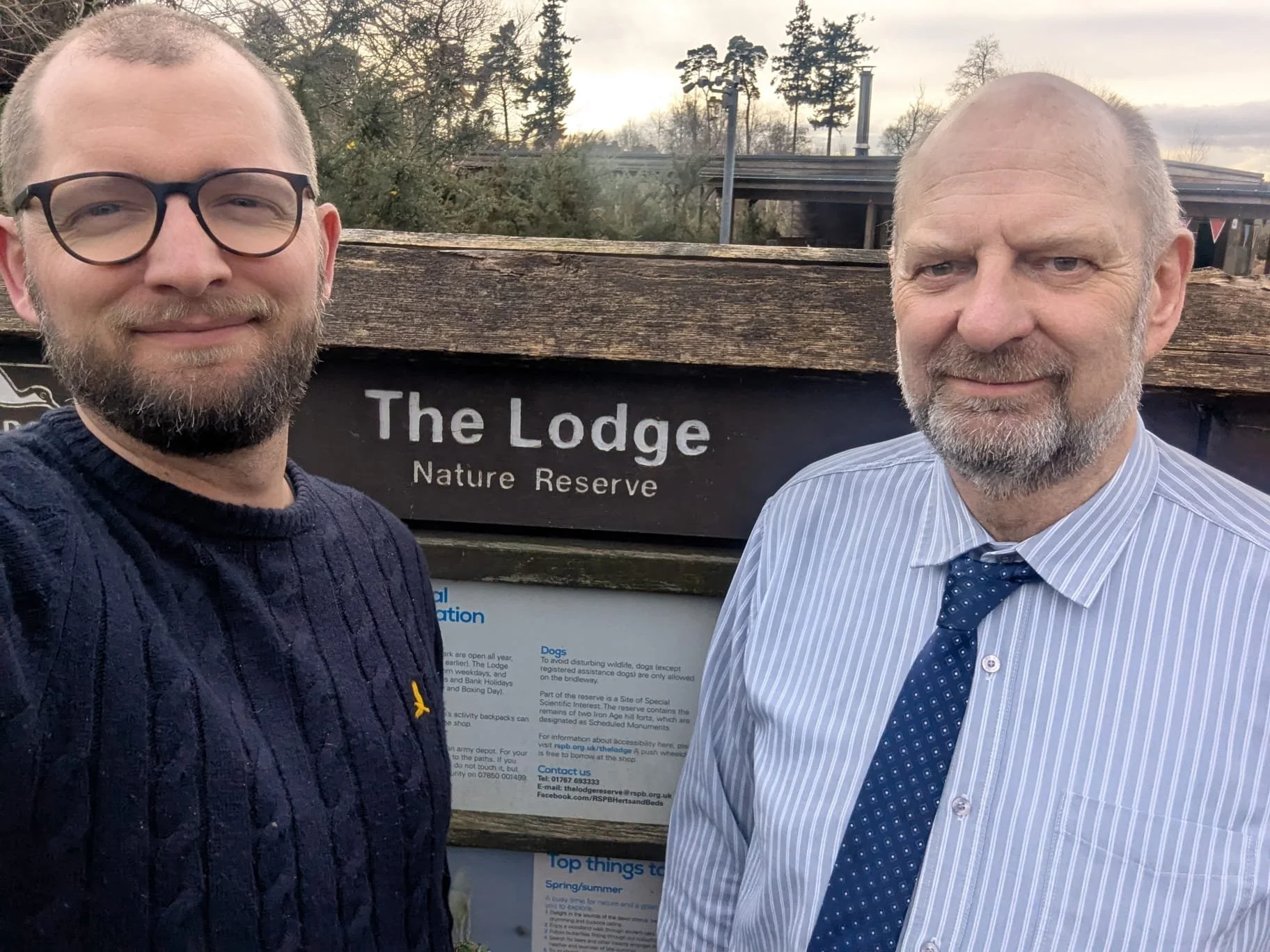
A trip to RSPB HQ for Andrew and Dick Woods to share ideas
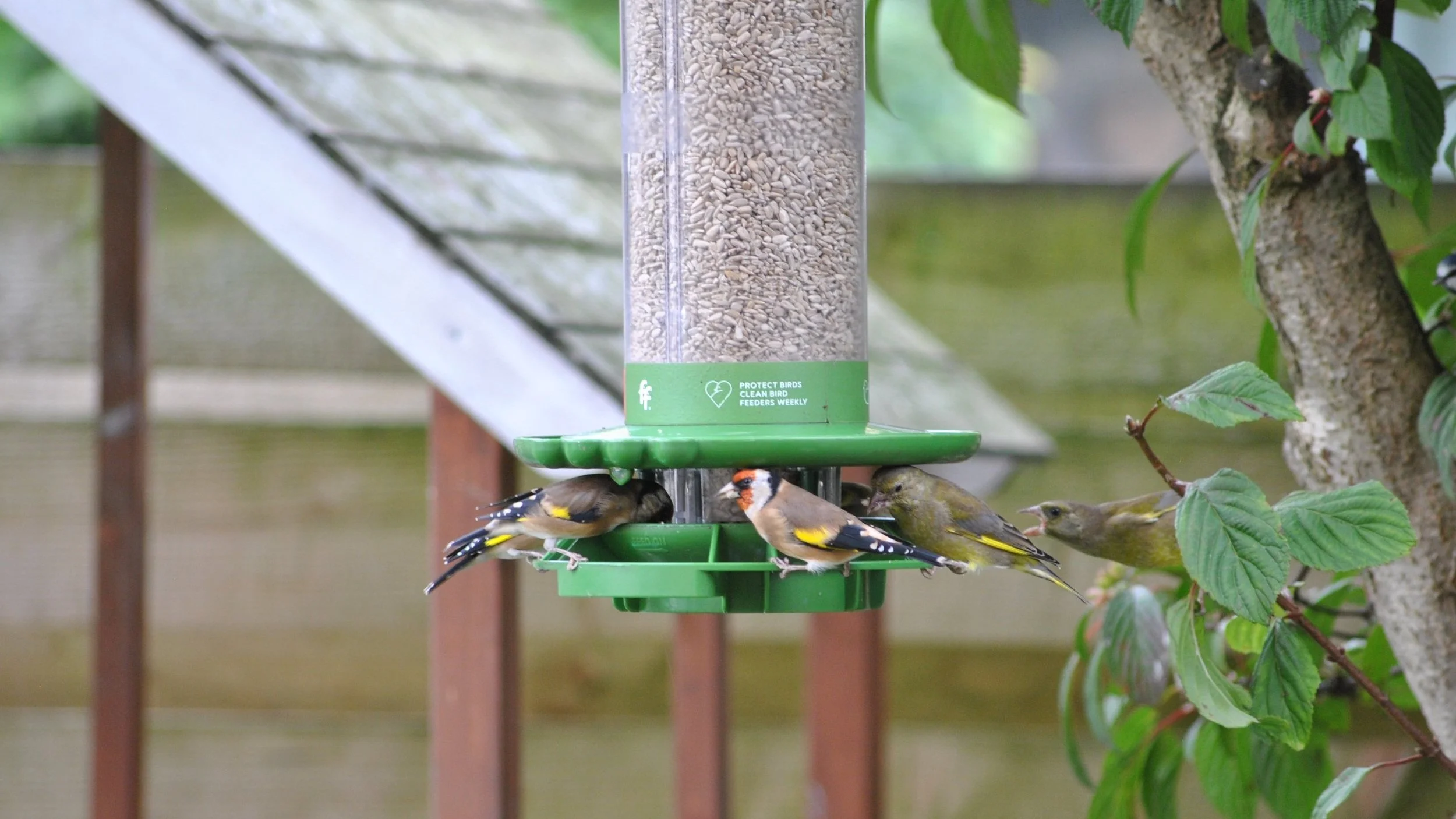
Goldie and Greeny enjoying sunflower hearts on a Cleaner Feeder 2
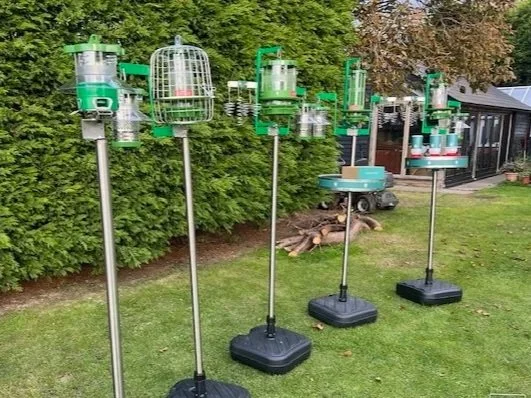
A look into the future of safer bird feeding